
If you plan to Buy Distilled Water Adelaide, it's important to understand how distilled water is produced, what it is used for, and how it differs from products such as Sterile Water and Sterile Water for Injection. Choosing the correct type of purified water depends on the intended application, whether for laboratory work, medical preparation, industrial equipment, or other specialized uses.
Introduction
Distilled water is widely used in healthcare, laboratories, manufacturing, automotive maintenance, and scientific research because of its exceptional purity. Unlike ordinary drinking water, distilled water undergoes a purification process that removes minerals, salts, microorganisms, and many contaminants.
For individuals and organizations looking to Buy Distilled Water Adelaide, understanding product specifications is just as important as finding a reliable supplier. Not all purified water products are interchangeable. Distilled water, sterile water, and sterile injectable water each serve different purposes and follow different manufacturing standards.
This guide explains what distilled water is, how it is produced, where it is commonly used, and what factors should be considered before selecting the appropriate product.
What Is Distilled Water?
Distilled water is purified water produced through a process called distillation. During this process, water is heated until it becomes steam. The steam is then cooled and condensed back into liquid form, leaving behind dissolved minerals, salts, heavy metals, and many other impurities.
The result is highly purified water suitable for numerous technical and professional applications.
Unlike filtered water, distilled water contains very few dissolved solids because the purification process removes both contaminants and naturally occurring minerals.
When people search to Buy Distilled Water Adelaide, they are often looking for water suitable for laboratory testing, equipment maintenance, pharmaceutical manufacturing support, cosmetic production, or other specialized environments where mineral-free water is essential.
How Distilled Water Works
Understanding how distilled water is produced helps explain why it is trusted across many industries.
Step 1: Heating
Raw water is heated until it reaches its boiling point and converts into steam.
Step 2: Separation
Most minerals, microorganisms, bacteria, and dissolved substances remain behind while only water vapor rises.
Step 3: Condensation
The steam passes through a cooling system where it condenses back into liquid water.
Step 4: Collection
The purified water is collected in sanitized containers designed to preserve its quality during storage and transport.
This process significantly reduces contaminants while producing consistently high-purity water.
Key Uses and Benefits of Distilled Water
Distilled water offers numerous practical advantages across healthcare, research, manufacturing, and everyday technical applications.
Laboratory Applications
Scientists use distilled water because dissolved minerals can interfere with chemical reactions, testing accuracy, and analytical procedures.
Medical Manufacturing
Although Sterile Water for Injection is used for injectable preparations, distilled water may be used during various pharmaceutical manufacturing processes where purified water is required.
Medical Equipment
Many healthcare facilities use distilled water for cleaning equipment and reducing mineral deposits that may affect performance.
Automotive Systems
Vehicle owners frequently use distilled water in batteries and cooling systems because mineral-free water helps reduce scaling.
Cosmetic Manufacturing
Many skincare and cosmetic formulations include distilled water to improve product consistency while minimizing unwanted mineral interactions.
Household Appliances
Steam irons, humidifiers, and CPAP devices often benefit from distilled water because it helps prevent mineral buildup.
Why Water Purity Matters
Purity directly affects equipment performance, product quality, and laboratory accuracy.
Even small amounts of dissolved minerals can:
Leave unwanted residue
Affect scientific measurements
Reduce equipment lifespan
Cause scaling inside machinery
Alter chemical formulations
For this reason, organizations carefully select purified water that matches their intended application.
Distilled Water vs Sterile Water
Although these terms are sometimes used interchangeably, they describe different products.
Distilled Water
Distilled water is purified through distillation to remove dissolved impurities and minerals.
It is commonly used for:
Laboratories
Industrial equipment
Manufacturing
Cleaning sensitive devices
Technical applications
Sterile Water
Sterile Water has been sterilized to eliminate viable microorganisms. It may or may not be produced through distillation depending on manufacturing methods.
It is commonly used where sterility is more important than mineral removal.
Sterile Water for Injection
Sterile Water for Injection is a pharmaceutical-grade sterile product manufactured under strict regulatory standards specifically for medical use. It contains no antimicrobial preservatives unless specifically labeled otherwise and is intended for preparing injectable medications under appropriate clinical guidance.
Understanding these differences helps prevent incorrect product selection.
Safety, Risks, and Important Considerations
Although distilled water is highly purified, using the wrong water product for a specific application can create problems.
Consider the following:
Use the Correct Product
Medical procedures requiring Sterile Water for Injection should never substitute ordinary distilled water.
Storage Matters
Improper storage can introduce contamination after purification.
Keep containers:
Clean
Properly sealed
Away from direct sunlight
Stored according to manufacturer recommendations
Avoid Cross-Contamination
Never transfer distilled water into unclean containers, as contamination may compromise purity.
Read Product Labels
Always verify:
Intended application
Manufacturing standards
Sterility status
Packaging integrity
Expiry information where applicable
Real-World Use Cases in Australia
Demand for purified water continues to grow across Australia in several sectors.
Healthcare Support
Hospitals, pharmacies, and healthcare facilities rely on carefully manufactured purified water products for numerous regulated processes.
Scientific Research
Universities and research laboratories throughout Australia routinely use distilled water for experiments requiring consistent purity.
Manufacturing
Food production, pharmaceutical manufacturing, cosmetics, and biotechnology companies frequently incorporate purified water into production workflows.
Home Technical Equipment
Many Australians also choose distilled water for humidifiers, steam irons, batteries, and other appliances that benefit from mineral-free water.
Educational resources from Bacteriostatic Water Australia also help explain the distinctions between various purified water products used in healthcare and laboratory environments.
How to Choose Distilled Water
When planning to Buy Distilled Water Adelaide, evaluate the product based on its intended purpose rather than assuming all purified water is identical.
Consider:
Purity specifications
Manufacturing standards
Packaging quality
Intended application
Storage requirements
Product labeling
Compliance with relevant quality standards
Selecting the appropriate water reduces the risk of contamination, equipment damage, and incorrect usage.
Frequently Asked Questions
1. Where can I Buy Distilled Water Adelaide?
Distilled water is available through pharmacies, laboratory suppliers, industrial distributors, medical supply companies, and specialized water suppliers. Before selecting a product, confirm it matches your intended application and quality requirements rather than choosing solely based on availability.
2. Is distilled water the same as bac water?
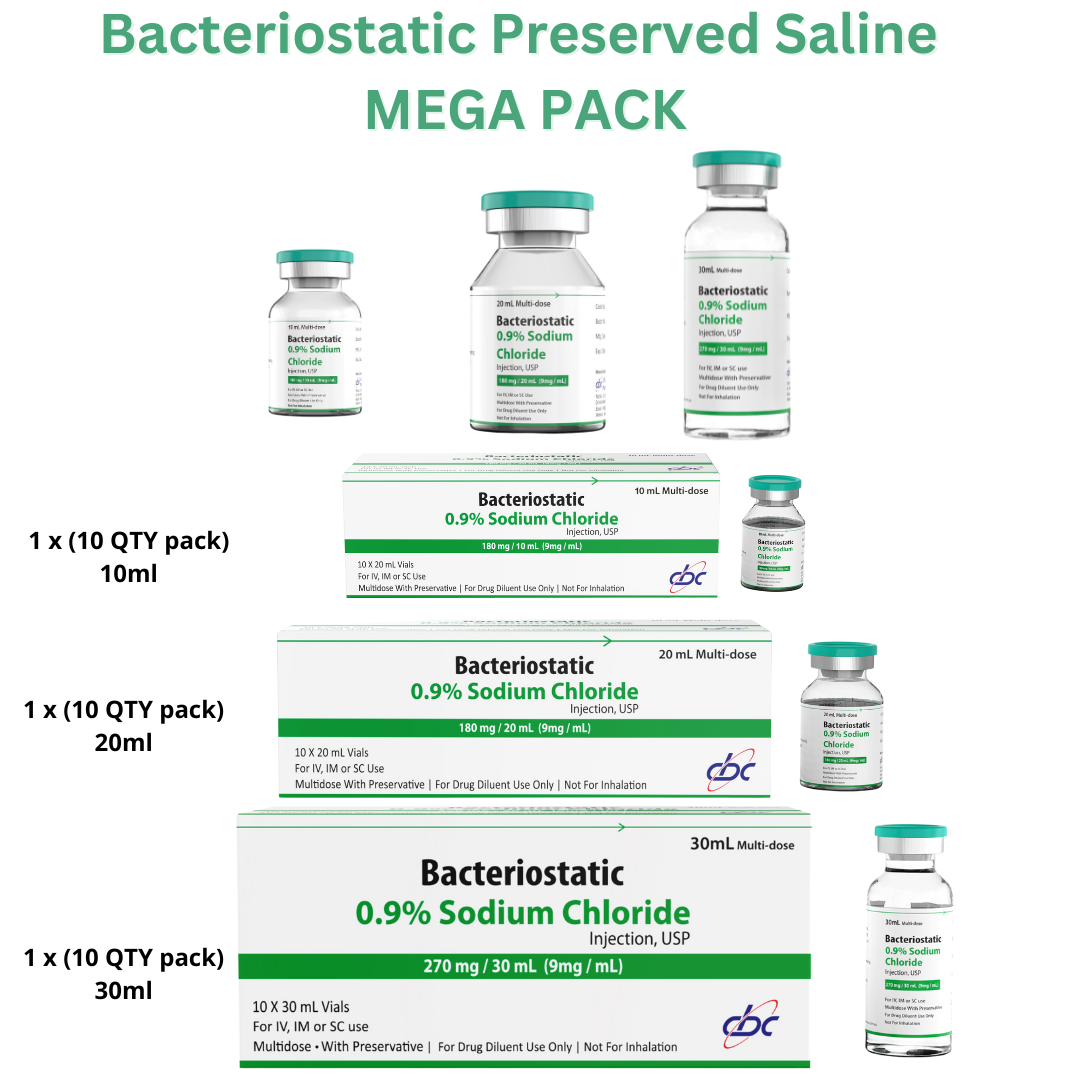
No. bac water refers to bacteriostatic water, which contains a preservative that helps inhibit bacterial growth in specific multi-dose applications. Distilled water is purified through distillation but does not contain bacteriostatic preservatives and serves different purposes.
3. Can I use distilled water instead of Sterile Water for Injection?
No. Sterile Water for Injection is manufactured under pharmaceutical standards for specific medical uses. Distilled water is purified but should not be considered a substitute where sterile injectable water is required unless specifically directed by qualified healthcare professionals.
4. What should I know before searching for buy bac water australia?
When researching buy bac water australia, first determine whether bacteriostatic water is actually appropriate for your intended use. Different purified water products have different formulations, regulatory requirements, and approved applications.
5. Is it safe to buy bacteriostatic water online?
If you intend to buy bacteriostatic water online, ensure the supplier provides properly labeled products manufactured according to applicable standards. Always verify authenticity, packaging integrity, storage recommendations, and intended use before purchase.
6. Is Sterile Water the same as distilled water?
No. Sterile Water refers to water that has undergone sterilization to eliminate microorganisms. Distilled water focuses primarily on removing dissolved minerals and impurities through distillation. Depending on the manufacturing process, a product may be sterile, distilled, or both.
Key Takeaways
Distilled water is produced through the distillation process to remove minerals and many impurities.
People looking to Buy Distilled Water Adelaide should understand the intended application before selecting a product.
Distilled water differs from Sterile Water and Sterile Water for Injection.
Product quality depends on manufacturing standards, storage, and packaging.
Using the correct type of purified water helps maintain safety, equipment performance, and reliable results.
Always review product labeling to ensure it matches the intended purpose.
Disclaimer
This article is intended for educational and informational purposes only and should not replace professional medical, pharmaceutical, or technical advice. Always follow manufacturer instructions and consult a qualified healthcare professional or relevant specialist when selecting or using purified water products for medical or specialized applications.


Write a comment ...