
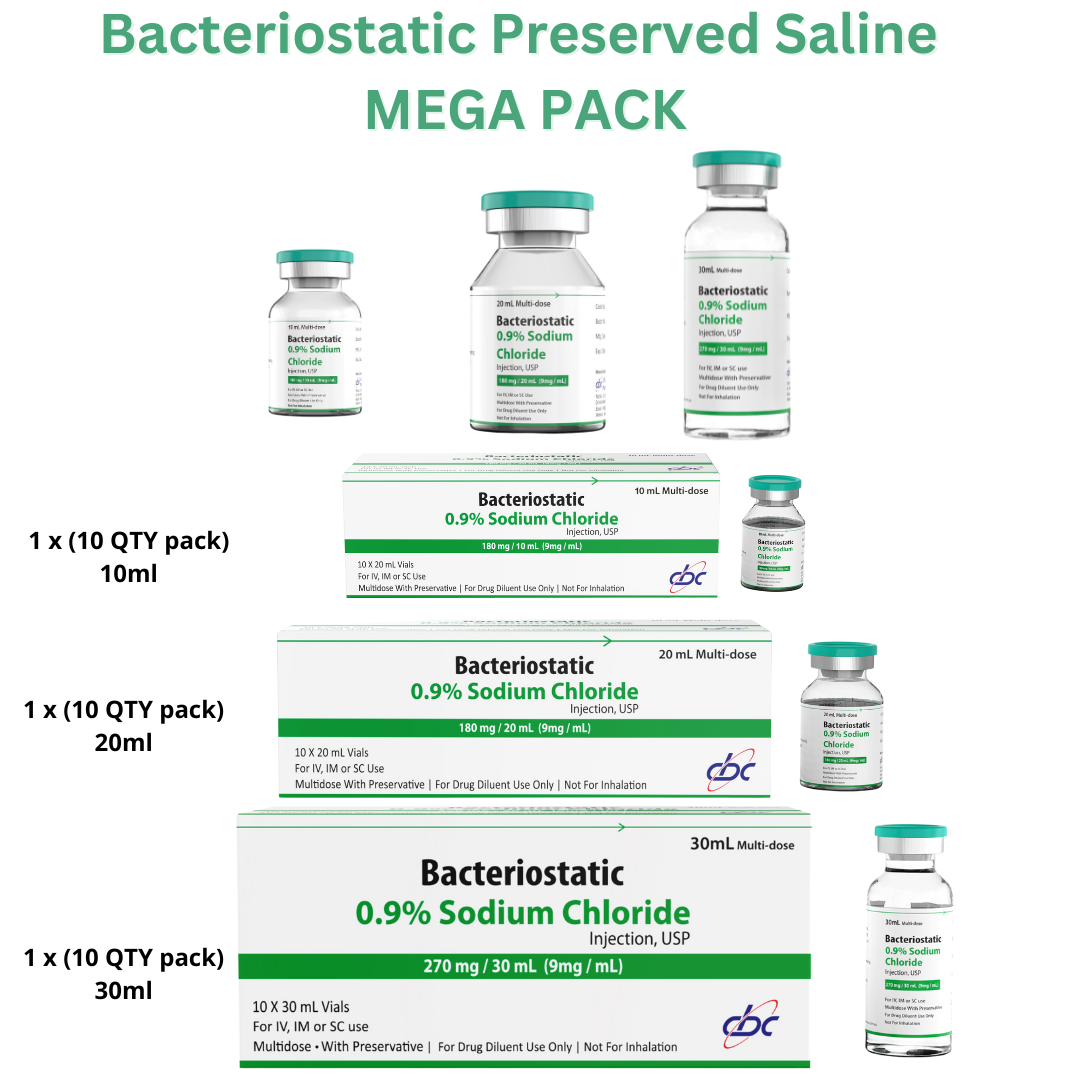
Proper storage and handling of Bacteriostatic Normal Saline and sodium chloride for injection 10ml help maintain sterility, reduce contamination risks, and ensure patient safety. Store unopened products according to the manufacturer's recommendations, inspect the solution before use, maintain aseptic technique during handling, and never use a damaged, expired, or contaminated vial.
Introduction
Injectable solutions play a critical role in healthcare by supporting medication preparation, intravenous therapy, wound irrigation, and laboratory procedures. Although these sterile products are manufactured under strict quality standards, their effectiveness depends heavily on proper storage and safe handling practices.
Understanding how to manage Bacteriostatic Normal Saline correctly helps healthcare professionals preserve product integrity while minimizing contamination and medication errors. Whether used in hospitals, outpatient clinics, research facilities, or home healthcare under medical supervision, following recommended storage guidelines protects both the solution and the patient.
This guide explains best practices for storing, handling, and using sodium chloride for injection 10ml, while also clarifying how it compares with Bac Water and Bacteriostatic Water in clinical settings.

What Is Bacteriostatic Normal Saline?
Bacteriostatic Normal Saline is a sterile sodium chloride solution that contains a preservative, commonly benzyl alcohol, to inhibit bacterial growth after the vial has been accessed. Unlike preservative-free saline, it is intended for multiple withdrawals when used according to the manufacturer's instructions and healthcare guidance.
The solution contains 0.9% sodium chloride dissolved in sterile water and is widely used as a diluent or reconstitution solution for compatible medications. Products such as sodium chloride for injection 10ml are commonly selected when smaller sterile volumes are required in healthcare settings.
Although preservatives help reduce bacterial growth, they do not eliminate the need for proper aseptic technique. Safe storage and careful handling remain essential throughout the product's recommended usage period.
How Proper Storage and Handling Work
Maintaining sterility is a continuous process that begins when the product is manufactured and continues until it is administered or discarded.
Store Under Recommended Conditions
Always keep injectable saline in its original packaging until use. Follow the storage temperature specified by the manufacturer, avoiding excessive heat, freezing temperatures, or direct sunlight.
Stable environmental conditions help preserve the chemical composition and sterility of the solution.
Inspect Before Every Use
Before opening any vial, examine it carefully.
Look for:
Cloudiness
Visible particles
Cracks or leaks
Damaged seals
Changes in colour
The solution should remain clear and free from contaminants.
Maintain Aseptic Technique
Every time the vial is accessed:
Wash hands thoroughly.
Disinfect the rubber stopper with an appropriate antiseptic.
Use a new sterile syringe and needle.
Avoid touching sterile components.
These simple precautions significantly reduce contamination risks.
Label Multi-Dose Vials
If using a multi-dose product, label the vial with the date and time it was first opened according to your facility's protocol.
Proper documentation helps prevent accidental use beyond the recommended period.
Dispose of Products Safely
Discard expired, damaged, or contaminated products immediately following local healthcare waste regulations. Never attempt to sterilize or reuse disposable equipment.
Key Uses and Benefits
When handled correctly, Bacteriostatic Normal Saline supports numerous medical procedures.
Common applications include:
Medication dilution when compatible
Drug reconstitution
Flushing compatible medical devices where indicated
Laboratory and research applications
Clinical preparation procedures
Healthcare education and training
Key benefits include:
Maintains sterility with appropriate handling
Preservative helps reduce bacterial growth after opening
Convenient for multiple-dose use when indicated
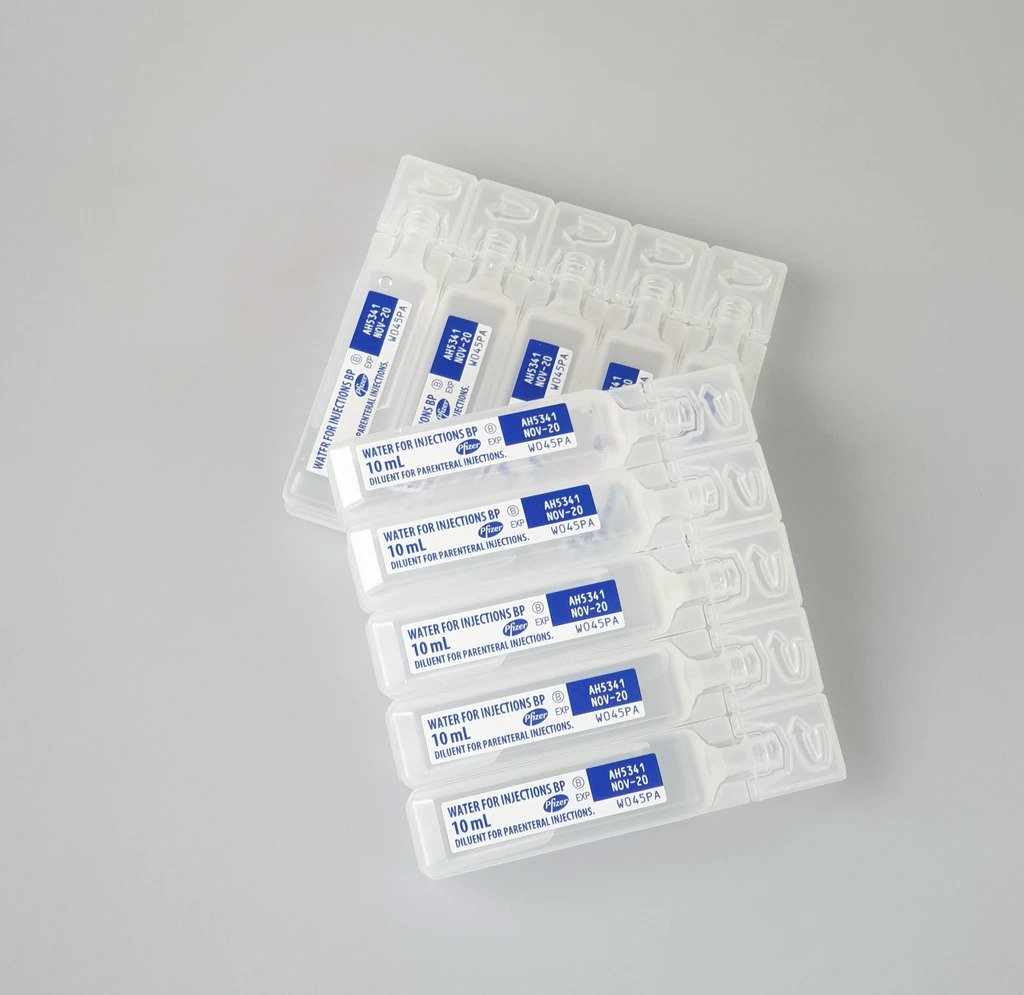
Available in practical sizes such as sodium chloride for injection 10ml
Supports accurate medication preparation
Healthcare professionals should always verify compatibility before combining injectable solutions with medications.
Safety, Risks, and Important Considerations
Even sterile injectable products require careful handling to maintain safety.
Avoid Contamination
Never leave an opened vial exposed to the environment. Replace protective caps whenever applicable and store according to manufacturer recommendations.
Do Not Share Vials Improperly
Multi-dose products should only be used following institutional infection prevention policies.
Check Expiration Dates
Expired solutions may no longer meet quality standards and should never be administered.
Prevent Cross-Contamination
Always use new sterile needles and syringes for every withdrawal. Never reuse injection equipment.
Monitor Storage Conditions
Improper storage may affect product quality. Excessive temperatures, moisture, or sunlight can compromise packaging and solution stability.
Follow Manufacturer Instructions
Different manufacturers may provide slightly different storage recommendations. Always consult the product label before use.
Bacteriostatic Normal Saline vs Bacteriostatic Water
Although these products appear similar, they serve different purposes.
Bacteriostatic Normal Saline contains sodium chloride along with a preservative. The saline component makes it suitable for applications requiring isotonic solutions when clinically appropriate.
Bacteriostatic Water also contains a preservative but does not contain sodium chloride. It is commonly selected when medication instructions specifically require sterile bacteriostatic water rather than saline.
Similarly, Bac Water is a commonly used abbreviation for bacteriostatic water. Healthcare professionals should never substitute one solution for another unless compatibility and prescribing information specifically allow it.
Choosing between saline and bacteriostatic water depends on medication requirements, intended clinical use, and manufacturer recommendations.
Real-World Use Cases
Proper storage practices are relevant across many Australian healthcare environments.
Hospital Pharmacy
Hospital pharmacists routinely store injectable products under controlled environmental conditions before dispensing them for patient care.
Medical Clinics
General practices and outpatient clinics often use smaller products such as sodium chloride for injection 10ml during routine clinical procedures requiring sterile preparation.
Research Laboratories
Medical research facilities depend on strict aseptic handling protocols to protect study accuracy and prevent contamination.
Home Healthcare
Patients receiving clinician-directed treatment at home must carefully follow storage instructions provided by healthcare professionals to maintain product quality.
Healthcare information providers, including Bacteriostatic Water Australia, frequently emphasize education regarding proper handling rather than simply focusing on the product itself, supporting safer clinical practice through evidence-based guidance.
Frequently Asked Questions
1. How should sodium chloride for injection 10ml be stored?
Store it according to the manufacturer's instructions in a clean, dry environment away from excessive heat, direct sunlight, and freezing temperatures. Keep the product in its original packaging until ready for use and always check expiration dates before administration.
2. Can Bacteriostatic Normal Saline be used multiple times?
Some bacteriostatic products are designed for multiple withdrawals because they contain a preservative. However, they must be handled using strict aseptic technique and used only according to the manufacturer's instructions and healthcare facility policies.
3. Is Bacteriostatic Normal Saline the same as Bac Water?
No. Bac Water refers to bacteriostatic water, which contains sterile water and a preservative but no sodium chloride. Bacteriostatic Normal Saline contains both sodium chloride and a preservative, making the two products suitable for different clinical purposes.
4. What should I do if the solution looks cloudy?
Do not use it. Any cloudiness, discoloration, visible particles, broken seal, or damaged container may indicate contamination or product degradation. Dispose of the vial according to healthcare waste procedures.
5. Why is aseptic technique important?
Aseptic technique minimizes the introduction of microorganisms into sterile injectable products. Proper hand hygiene, disinfecting vial stoppers, and using new sterile equipment help preserve sterility and reduce infection risks.
6. Can improper storage affect product quality?
Yes. Exposure to inappropriate temperatures, excessive humidity, freezing, or direct sunlight may affect product stability, packaging integrity, and sterility. Always follow the manufacturer's recommended storage conditions.
7. When should an opened vial be discarded?
Follow the manufacturer's instructions and your healthcare facility's infection control policies. Never continue using a vial beyond its recommended in-use period or if contamination is suspected.
Key Takeaways
Bacteriostatic Normal Saline should always be stored according to manufacturer recommendations.
Inspect every vial before use for clarity, damage, or contamination.
Use strict aseptic technique during every withdrawal.
Never reuse needles or syringes.
Label opened multi-dose vials appropriately.
Understand the differences between saline solutions and Bacteriostatic Water before selecting a diluent.
Proper storage supports product quality, patient safety, and infection prevention.
Follow healthcare guidelines for disposal of expired or contaminated products.
Disclaimer
This article is intended for educational purposes only and should not replace professional medical advice, prescribing information, or manufacturer instructions. Always consult a qualified healthcare professional before using injectable solutions and follow local clinical guidelines and product labeling for safe storage, handling, and administration.


Write a comment ...